The Comprehensive Handbook to Navigating Injury Lawsuits With a Personal Injury Attorney
Navigating accident litigation presents many difficulties that can overwhelm individuals seeking justice. An skilled injury lawyer takes an vital role in clarifying this complex process. From providing immediate advice after an accident to overseeing intricate legal details, their proficiency is priceless. Understanding the phases involved and the value of proper evidence gathering can greatly impact a case. What are the important actions one should take immediately following an accident? The answer lies ahead.
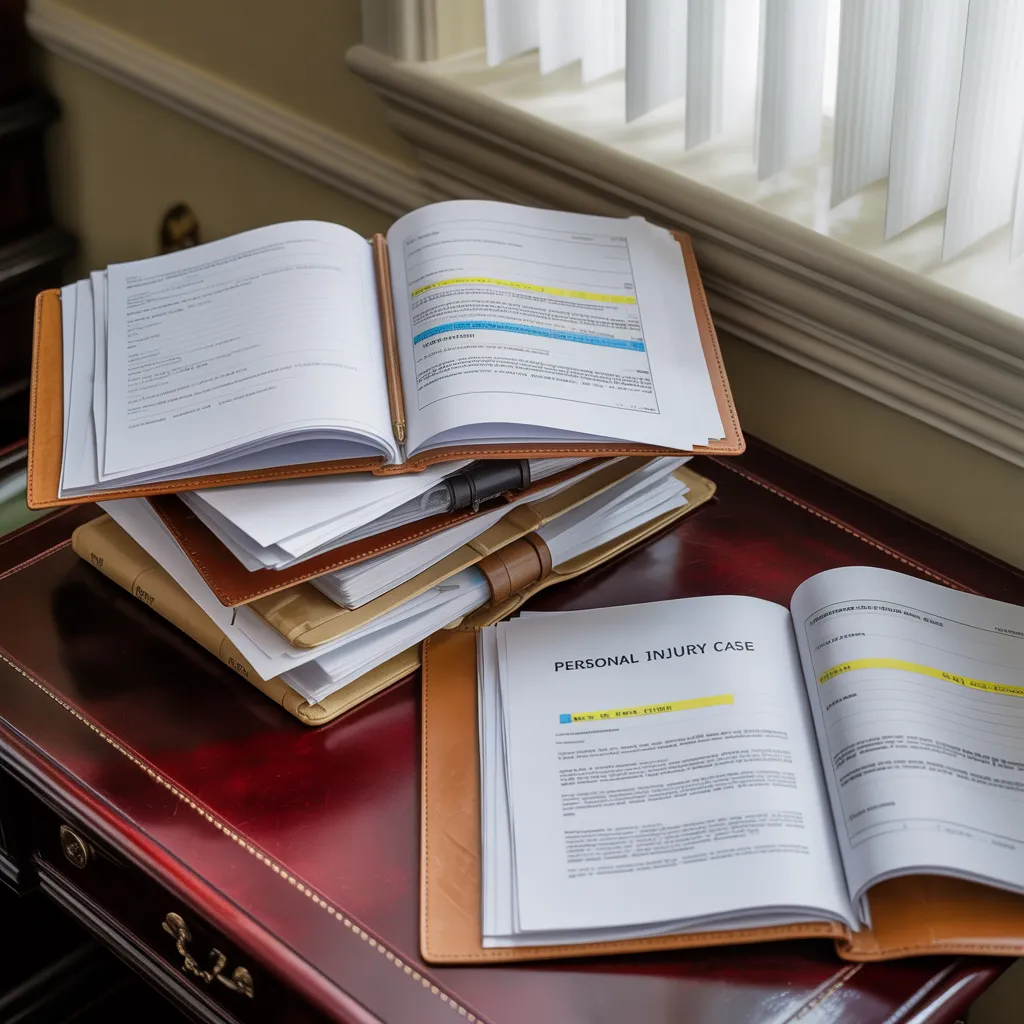
Take Immediate Steps After an Accident
Following an accident, people must act fast to safeguard their rights and health. The initial action involves maintaining security; those affected should evaluate injuries and, if possible, head toward a safe place. Contacting emergency services is vital, as medical assistance may be necessary why victims trust a firm that speaks their language for damage that are not instantly noticeable.
Next, people should notify the authorities to record the event officially. This report can be significant in future legal actions. It is also important to share contact and insurance information with all parties involved.
While anticipating authorities, gathering initial impressions and accounts from witnesses can be advantageous. Photographing the scene, vehicle damage, and any visible injuries may assist with future settlements. Finally, individuals should consider consulting with a personal injury lawyer to discuss potential lawsuits, ensuring their rights are upheld from the start.
How to Collect Evidence for Your Case
Documenting evidence is essential for forging a strong case subsequent to an accident. Initially, subjects should preserve the scene by securing snapshots of any damage, road conditions, and relevant traffic signs. This pictorial evidence can provide detail and validate claims. In addition, gathering statements from witnesses can be essential; titles and contact details should be recorded for follow-up contact.
Medical records represent a key element, as they verify the extent of injuries and assign them to the accident. Retaining all documentation, including police reports and correspondence with insurance companies, is significant for establishing your claims.
Furthermore, protecting any physical evidence, such as damaged personal property or apparel, can also bolster a case. Finally, keeping a comprehensive log of occurrences and encounters post-accident can offer insight the impact on daily life. By methodically gathering this data, individuals can construct a solid base for their case.
The Role of a Personal Injury Lawyer
How can a injury attorney significantly influence the outcome of an personal injury case? Their knowledge is crucial in navigating the complexities of court processes. A personal injury lawyer offers vital advice on the statutory protections and alternatives available to the injured party. They conduct thorough inquiries to gather evidence, determine responsible parties, and assess the full extent of losses, guaranteeing no important facts are overlooked.
Additionally, these legal professionals possess bargaining abilities important for dealing with insurance companies and opposing counsel. They recognize the tactics often employed to minimize settlements and can help clients oppose these strategies effectively. By advocating for the client in court, if necessary, they champion for fair compensation, using their knowledge of relevant laws and precedents. Overall, a personal injury lawyer functions as a crucial ally, providing both legal expertise and emotional support, ultimately aiming for the best possible outcome for their client's case.
Ways to Address Insurance Negotiations Confidently
Handling insurance negotiations can be a tough situation for many individuals after an accident. Confidence matters, and readiness plays a role to getting there. First, understanding the complete scope of injury, including medical bills, lost income, and emotional harm, is essential. Assembling thorough records can reinforce your claims and create leverage during negotiations.
Next, individuals should examine their policy terms and comprehend the coverage boundaries and exclusions. This knowledge prepares them to counter lowball offers effectively. Engaging a personal injury lawyer can also strengthen confidence; their expertise helps navigate complex legal jargon and tactics employed by insurance adjusters.
Furthermore, staying composed and poised during negotiations creates a business-like environment. Practicing bargaining skills and predicting counterarguments can additionally bolster one's stance. By adopting a calculated method and leveraging solid evidence, individuals can tackle insurance negotiations with increased confidence and effectiveness.
Important Legal Documents for Your Case
After managing settlement discussions, parties may be prepared to pursue a lawsuit if adequate compensation is not achieved. To begin this procedure, several key legal documents are essential. The petition acts as the basis, outlining the claimant's claims against the defendant and the damages requested. The notice, provided with the petition, informs the respondent of the lawsuit and gives guidance on how to respond.
In addition, the plaintiff may need to file a case information statement, which outlines the case, and any pertinent documentation, such as medical records or accident reports, should be meticulously gathered. Requests for admissions and interrogatories may also be employed to gather details from the opposing party. Collectively, these documents establish the framework for the lawsuit and enable the advancement of the case through the legal system, ensuring that all parties are informed and that the claims are distinctly expressed.
Preparation for What Happens During a Trial Appearance?
What can individuals foresee when stepping into the courtroom for a court case? The atmosphere is often tense, with a judicial officer presiding over proceedings and a panel of jurors on hand to evaluate the facts. Participants will observe opening statements from each party, outlining their arguments and significant issues. Then, individuals providing testimony may be summoned to offer statements, and each party will have the ability to question them.
Evidence, including files and expert views, is presented to support each party’s case. The trial process typically culminates in closing arguments, where attorneys summarize their stances and urge the jury to reach a favorable verdict. After deliberation, the jury will render a decision, which can greatly influence the lives of those involved. Throughout the trial, individuals can expect a structured environment where protocol and legal standards govern the proceedings. Understanding this framework can help ease some anxiety connected to the trial experience.
Common Mistakes in Personal Injury Lawsuits to Avoid
In injury-based legal actions, certain missteps can greatly obstruct a case's success. Failing to maintain thorough medical documentation and postponing legal action are two frequent mistakes that people often encounter. Identifying and preventing these pitfalls is vital for a successful result.
Overlooking medical documentation can greatly damage a personal injury lawsuit. Accurate and thorough medical records act as vital evidence, proving the extent of injuries and the need for treatment. When injured individuals fail to get or present these documents, they risk weaken their case significantly. Lack of sufficient medical documentation may cause disputes over the degree of injuries, complicating the process of establishing liability or validating compensation claims. In addition, insurance companies typically depend on medical records to determine the legitimacy of a claim. Failure to provide this essential information can result in holdups or denials. Therefore, keeping detailed medical documentation throughout the treatment process is essential for the success of a personal injury claim.
Putting Off Legal Proceedings
Delaying lawsuits can greatly impair the result of a personal injury lawsuit. When people postpone filing their claims, they risk losing crucial evidence, such as witness testimonies and physical documentation, which can undermine their case. In addition, statutes of limitations impose rigid deadlines for filing lawsuits; missing these deadlines can result in the loss of the right to seek compensation completely. Delays may also impair the ability to obtain necessary medical treatment, leading to complications in proving the extent of injuries. Moreover, insurance companies may use the delay to question the claimant's credibility, suggesting that the injuries were not serious. Consequently, timely action is vital for maximizing the chances of a successful resolution in personal injury cases.
Commonly Asked Questions
How many years Do I need to initiate a Personal Injury lawsuit?
Submitting a personal injury lawsuit typically has a deadline of one to three years depending on location. Individuals should obtain legal advice promptly to ensure they fulfill necessary deadlines.
What Varieties of Compensation Am I Able to Receive for My Physical Harm?
Individuals may get assorted compensation for injuries, including medical expenses, lost wages, agony and distress, psychological distress, and punitive damages. The specific amount and types stem from the circumstances surrounding each case and pertinent laws.
Am I Able to Yet Bring a Legal Action if I Bore Some Responsibility?
Yes, an person can still file a lawsuit even if somewhat responsible. Many jurisdictions permit claims to proceed, adjusting compensation based on the degree of fault, ensuring equity in the settlement process despite shared responsibility.
What Is the Common Structure of Personal Injury Agreements?
Personal injury settlements are ordinarily designed to include compensation for medical bills, lost wages, pain and suffering, and sometimes punitive damages. Money can be made as a lump sum or by way of periodic installments over time.
What Takes Place if the Defendant Is Unable to Cover the Settlement?
If the defendant cannot pay the settlement, the plaintiff may pursue alternative options, such as garnishing wages or seizing assets. In some cases, the plaintiff might need to seek compensation through insurance policies or government programs.